Compliance & Privacy
Consent & privacy for website assistants
How to keep regulators and buyers happy when your assistant collects visitor data.
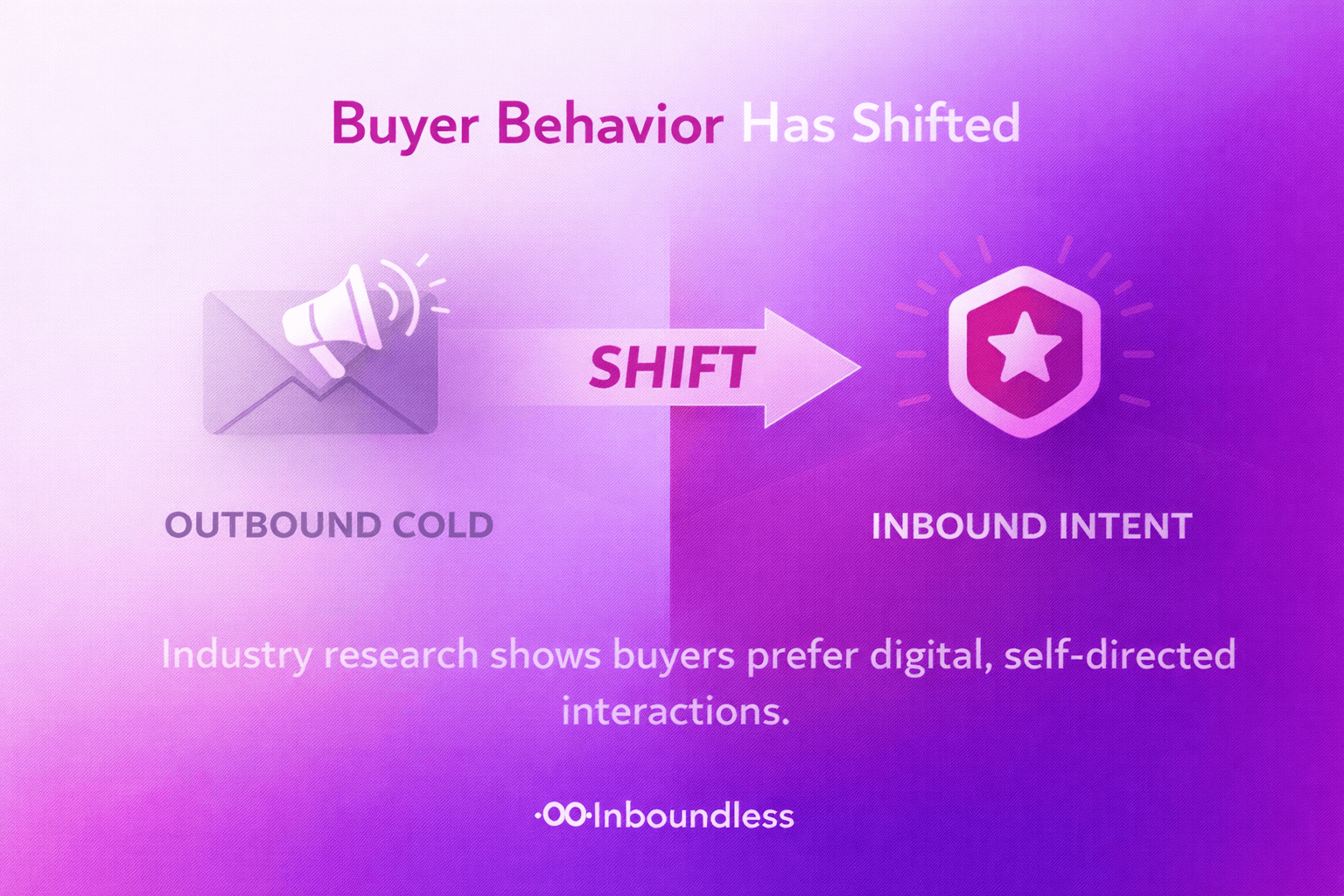
Laws like GDPR are there to stop abuse, not to stop people from asking you for a demo. Your assistant just needs to be clear and fair with visitors.
Below is a simple way to think about it and explain it to your own customers and legal team.
1. Separate “tracking” from “talking”
There are two different things happening on your site:
- Background tracking with cookies or IDs.
- Direct conversations where visitors type and share details.
Many teams keep tracking very light, and only ask for personal details once the visitor clearly wants to talk or book a meeting.
2. Use one short consent sentence
When the assistant asks for name, email and company, show one simple line, for example:
“We use this information to follow up on your request. You can read more in our privacy policy.”
Link that sentence to your full privacy page and make sure people can opt out of future emails.
3. Adapt to different regions
Some countries are stricter than others, especially for cold outreach. In these places, inbound requests from your site are even more important:
- Visitors have clearly come to you first.
- You can store their region and language and adapt follow‑up rules.
This makes your assistant feel respectful, not pushy, while still giving sales the signal they need.